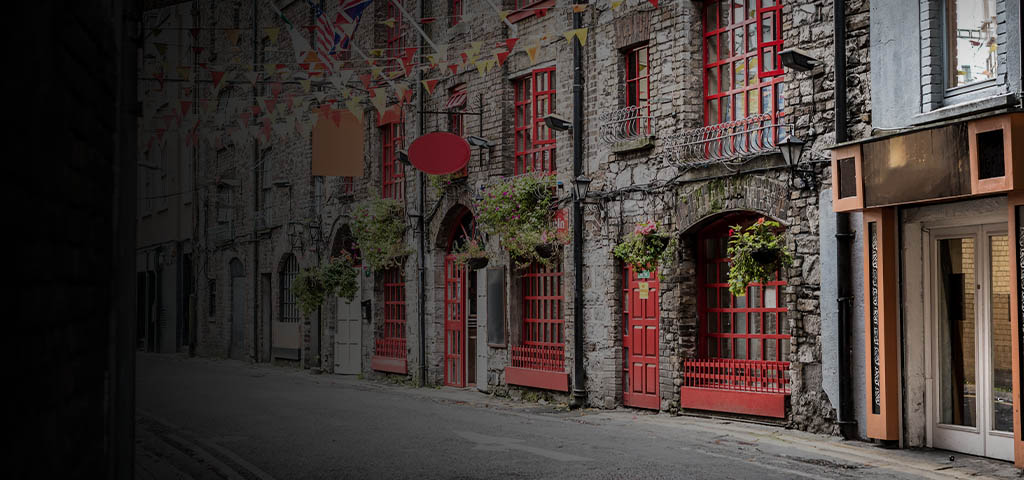
While Dubliners wouldn’t dare drink green beer or dye the River Liffey green, there is an enormous sense of pride and jubilation in celebrating their patron saint’s feast day—a tradition that dates back more than 1,000 years. In honor of St. Patrick’s Day, we collected some interesting facts about the origin of this celebration.
Who was Patrick before sainthood?
Researchers found that the would-be saint was born in Roman-controlled Britain, where he was kidnapped and brought to Ireland as a slave at the age of 16. He later escaped, but returned to Ireland and was credited with bringing Christianity to its people.
Why March 17th?
The date is actually quite solemn, as it marks the anniversary of St. Patrick’s death in the fifth century. And, the date always falls within the Christian season of Lent, the 40-day season of prayer and fasting that begins on Ash Wednesday and ends at sundown on Holy Thursday.
How was the feast day first celebrated?
Irish families would traditionally attend church in the morning and celebrate in the afternoon. In honor of the festivities, the rules and prohibitions associated with Lent would be eased for a few hours allowing for dancing, drinking and feasting on Irish bacon.
What is St. Patrick’s like in Dublin today?
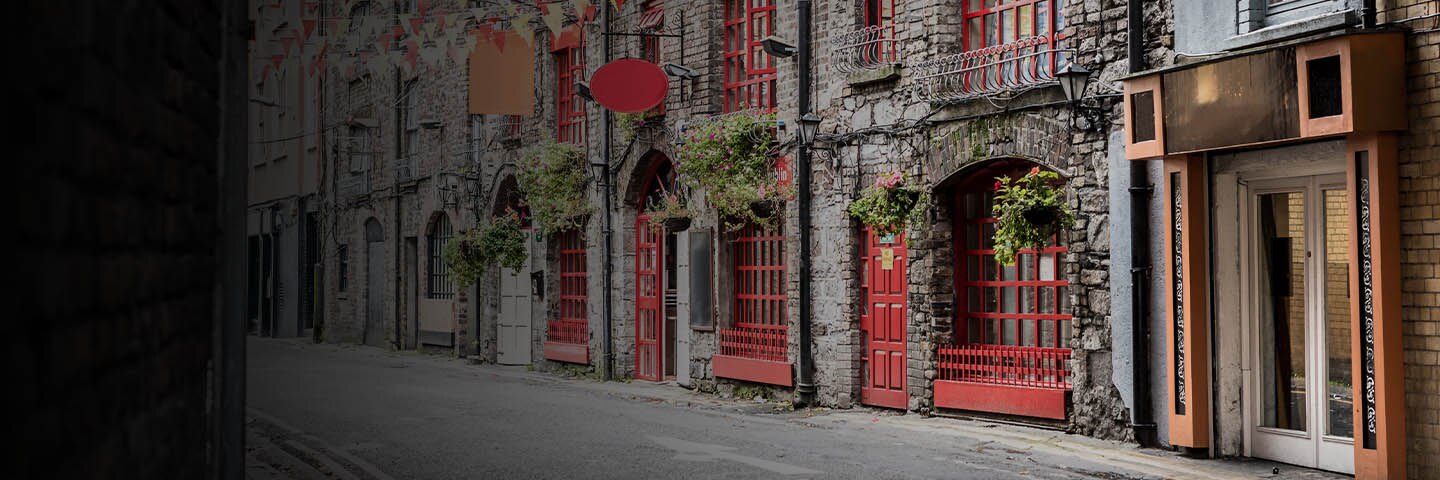
Bustling, cosmopolitan, ancient but young at heart, Dublin is one of Europe's liveliest cities any time of year, but when it comes to St. Patrick’s Day, it’s boisterous. There are revelers seemingly in every corner of the city, with an estimated 500,000 people lining the streets for the parade.
Where is St. Patrick buried?
One would think that the saint rests in Ireland, but he is buried in Northern Ireland, which is also Saint Patrick’s heartland. Just a short drive from Belfast, you can visit the historic town of Downpatrick. Here you can see the site of the saint’s original church, as well as his final resting place in the grounds of Down Cathedral.
…All The World Seems Bright
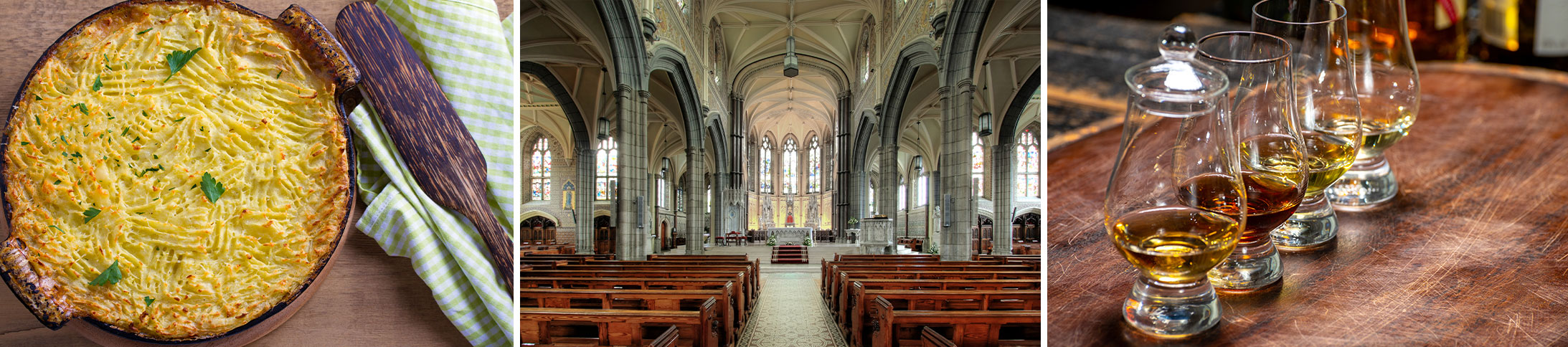
Wherever you’re celebrating St. Patrick's Day this year, wear your green, indulge in Shepard’s Pie and toast with Irish whiskey. Perhaps you’ll even feel inspired to embark on a Northern Europe voyage to the saint’s homeland.